


Hello, Tigers! In this column, you can learn something commonly encountered in investments: the mechanism behind financial markets, trading strategies for profit, common investment mistakes, and the ways to understand emotional tendencies.
In this class, you can easily grasp the understanding of behavioral finance through three lively examples. So, you can comprehend your journey to invest in a psychological way. Let’s get into it!
Scenario 1: paradox of choice in behavioral finance
Whenever you invest in a particular stock, it seems to start falling continuously. However, when you sell that stock or prepare to buy another, it begins to rise as if entering an upward cycle, constantly climbing. This leaves you feeling extremely frustrated, thinking it's just your luck.
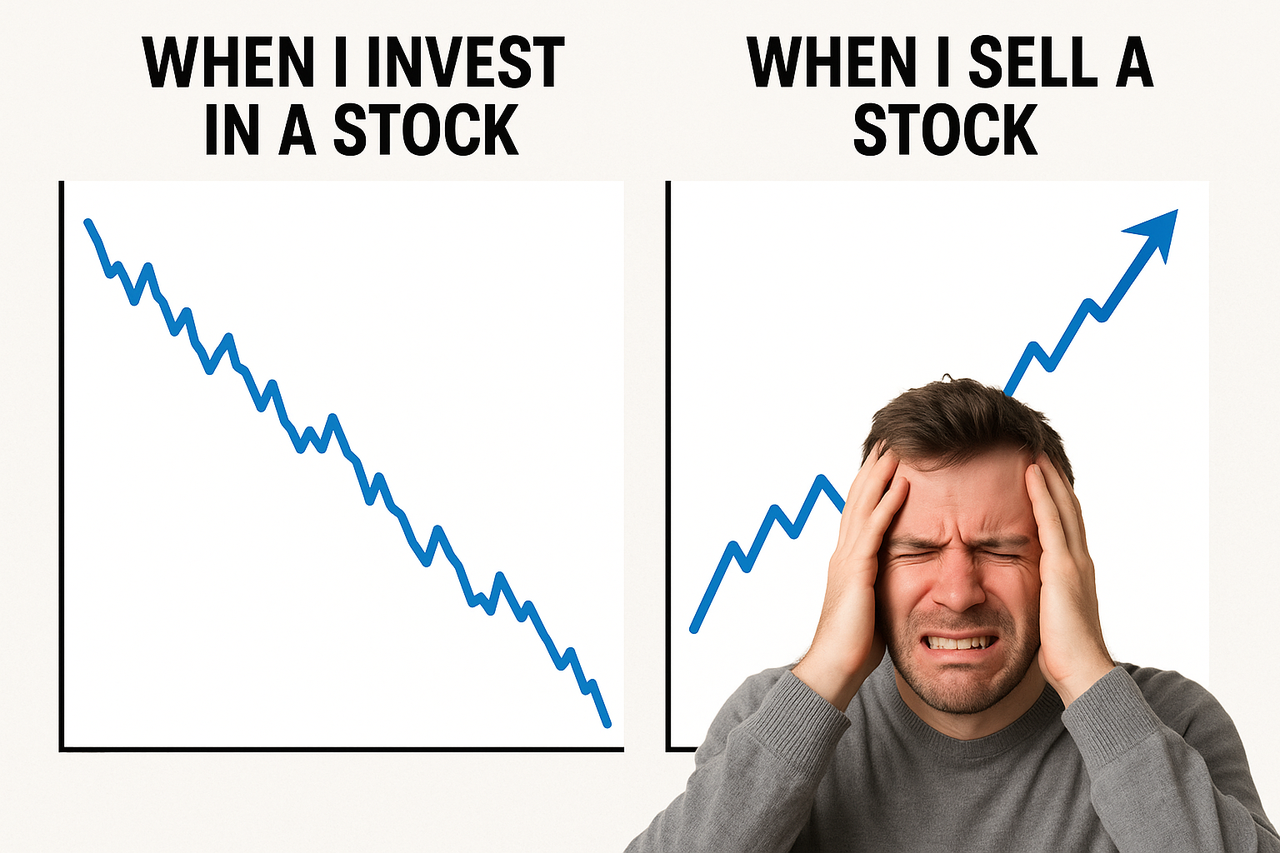
But is it really just bad luck? In behavioral finance, you might be falling into the paradox of choice in investing. It suggests that facing too many choices can be stressful. Psychologist Barry Schwartz pointed out in his book "The Paradox of Choice" that when people are confronted with too many options, they struggle to make wise decisions.
So, in market trading, you might be focusing on too many of them, which can lead to sensitivity to price fluctuations, often concentrating on stocks with significant gains or losses.
In fact, you may not have noticed that among the stocks you want to buy, there are also those that continue to decline. It's just that you're putting all your energy into the ones that are performing well.
Therefore, when investing, it's advisable to limit your choices. Otherwise, you might fall into "choice paralysis" and easily second-guess yourself.
Scenario 2: overtrading in behavioral finance
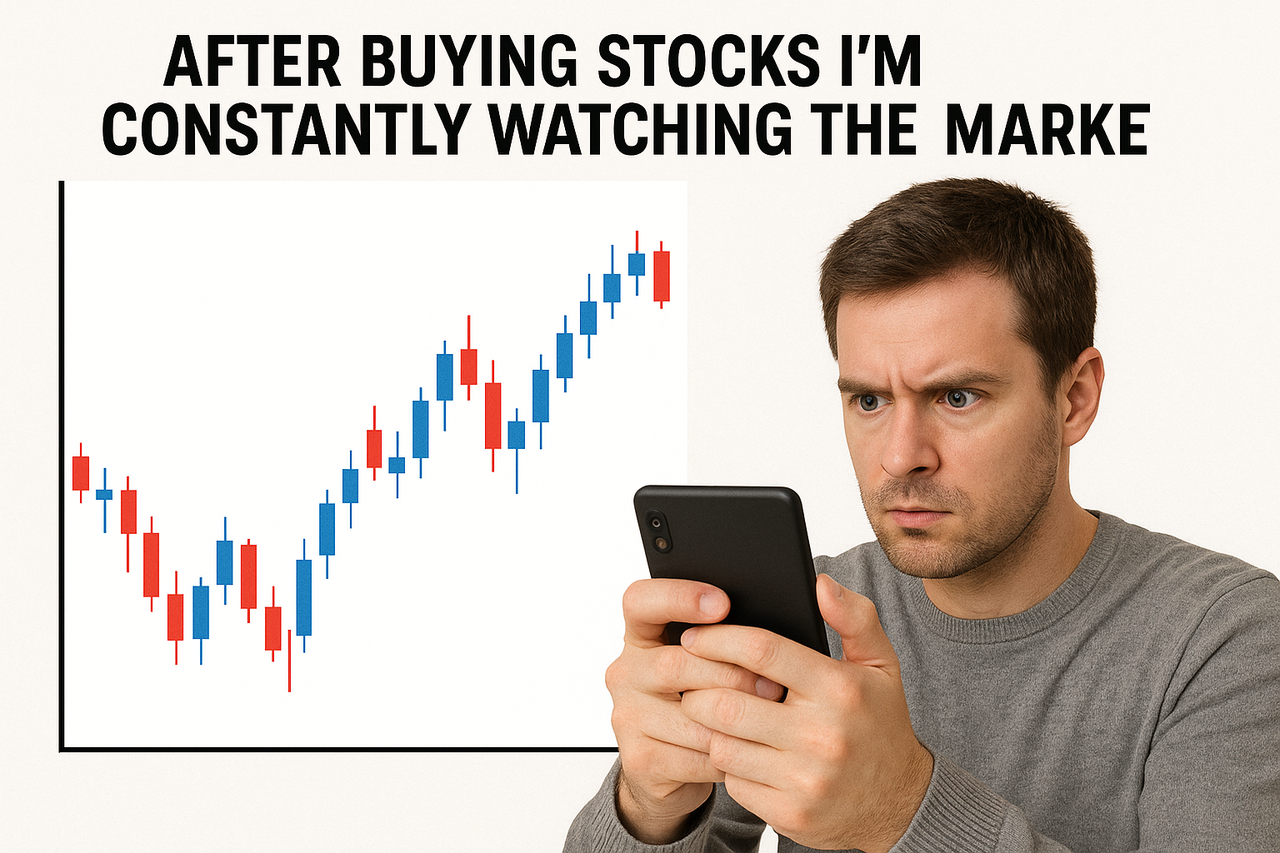
This is another behavioral finance scenario commonly encountered by novice investors. After buying stocks, they closely monitor the market and individual stocks, paying attention to even the slightest fluctuations.
Do you have such a trading habit? If so, you might be "overtrading"! Beware, as overtrading is one of the major reasons individual investors incur losses.
Two scholars from the University of Chicago once conducted a famous experiment. They obtained trading data from 35,000 individual investors from a large brokerage firm in the United States and found through their research that the returns of individual investors were far below the market average.
To find out the reason, they sorted the investors by trading frequency each month into five groups. They found that regardless of trading frequency, the total returns of these investors were almost the same. However, frequent trading increases transaction costs, so the higher the trading frequency, the lower the net returns.
This statistical result reveals an important fact: one of the significant reasons for individual investors' losses may be trading too frequently. These two scholars' research demonstrated that it's better to hold steady instead of constantly watching the market and overtrading.
Scenario 3: overconfident in behavioral finance
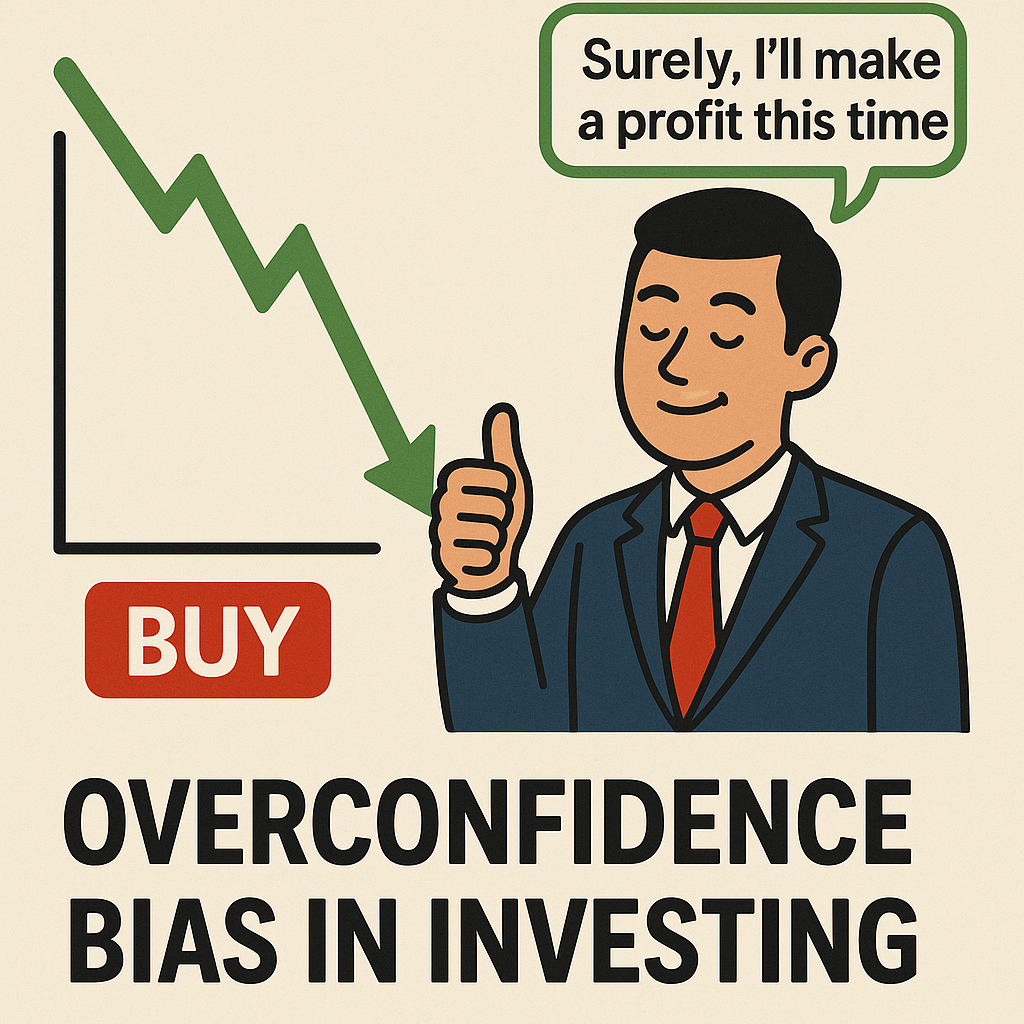
Have you ever experienced this: feeling very confident when buying a certain stock, thinking you'll surely make a profit this time, but the outcome isn't so great?
If this situation occurs frequently, have you ever considered that you might be "overconfident" when investing in stocks?
Psychologists reveal that overconfidence in people is related to the accumulation of information. If someone knows nothing about stock investment, would they be confident? Probably not. As they gather more information, such as through systematic learning of stock expertise, their abilities naturally improve, and their confidence gradually strengthens.
However, it's important to note that there's no limit to the accumulation of information, but there is a limit to the improvement of abilities. After accumulating a certain amount of information, the marginal utility of ability enhancement will decrease, but your confidence may continue to grow.
At this point, overconfidence quietly creeps in. For example, through careful research and analysis, you may believe you've seized an opportunity with a stock, but ultimately, that information may have no effect on the stock's price movement or even result in some losses for yourself.
Therefore, overconfidence can lead to cognitive biases, causing decision-making errors in investments. To overcome excessive confidence, we not only need to see the "tip of the iceberg" but also delve into more detailed information, learn to diversify our trades, and never put all our eggs in one basket.
Trading from psychology: why to understand behavioral finance
How about that? Have you come across those behavioral finance examples above? Do you feel like behavioral finance is constantly happening around us?
In fact, behavioral finance is a study exploring the "psychology of investment". Unlike traditional finance—which assumes investors are rational and markets are efficient—behavioral finance recognizes that people often make irrational or emotionally driven choices that can lead to market anomalies or personal investment mistakes.
Behavioral finance is significant for investors because it helps:
Recognize personal biases: Understanding behavioral finance helps investors identify emotional triggers, like panic selling during downturns or chasing rising stocks. So, you can make calmer, more rational choices.
Improve timing and discipline: By recognizing biases like overconfidence and anchoring, you can steer clear of impulsive trades and adhere to long-term strategies.
Build better portfolios: Insights from behavioral finance encourage diversification, goal-based investing, and setting realistic risk tolerances that match psychological comfort, not just numbers.
In the next class, we will take you deeper into studying behavioral finance, about the "cognitive biases". And see what cognitive issues may bring to invest.
Keep an eye on Tiger Brokers! We will share valuable insights on investing effectively and navigating the market's ups and downs with you. See you in the next class!